
What Is Assisted Living? A Family's Complete Guide
Assisted living explained in plain language — what it is, who it's for, what it costs, and how to know if it's the right next step for your loved one.
By Parul Darji, RN, BSN, MSN, MHA
If you've started looking into care options for an aging parent or spouse, you've probably come across the term assisted living — and quickly realized it can mean different things at different places. This guide explains what assisted living actually is, who it's designed for, what it typically costs, and how to know whether it's the right next step for your loved one.
We'll cover everything in plain language. No industry jargon, no pressure.
What Assisted Living Actually Means
Assisted living is a residential care setting for older adults who need help with daily activities but don't require the round-the-clock medical care of a nursing home.
A good assisted living community provides:
- A private or shared room in a residential setting — not a hospital
- Help with daily activities like bathing, dressing, grooming, and getting around
- Meals prepared and served in a shared dining space
- Medication management by trained, certified staff (in Colorado, this is handled by QMAPs — Qualified Medication Administration Personnel)
- 24/7 on-site support so someone is always there if help is needed
- Housekeeping and laundry so residents and families don't have to worry about it
- Social activities and a sense of community
What it is not: a nursing home, a hospital, or a hospital-like skilled nursing facility. Assisted living is designed to feel like a home — because for most residents, it is. (If you are weighing the two, see assisted living or nursing home.)
Who Assisted Living Is For
Assisted living is typically a good fit when an older adult:
- Is mostly independent but needs some help getting through the day safely
- Has had a fall, a hospital stay, or a recent decline that makes living alone risky
- Forgets medications, meals, or appointments
- Feels increasingly isolated at home
- Has family who lives far away or can no longer provide the level of help needed
- Wants the social side of community living — meals together, activities, conversation
Assisted living is not the right fit when someone needs intensive medical care, complex wound care, or constant clinical monitoring. In those cases, skilled nursing or a hospital may be more appropriate.
If you're not sure what level of care fits your loved one, talking it through with a care team who does this every day is one of the fastest ways to get clarity.
What Assisted Living Typically Includes
Specifics vary by community, but most assisted living homes provide:
Personal care
Bathing, dressing, grooming, and mobility support — delivered with patience and respect for each resident's dignity.
Medication management
Trained staff make sure medications are given at the right time, in the right dose, every day. In Colorado, this means a QMAP-certified team member is responsible for medication safety.
Meals
Three meals a day plus snacks, served in a shared dining room. Good communities cook real food — not institutional trays — and accommodate special diets (low sodium, diabetic, soft textures).
Housekeeping and laundry
Rooms are cleaned regularly, beds are changed, and personal laundry is taken care of.
Activities and social time
A good day includes more than just meals. Look for communities with regular activities — games, crafts, music, gentle exercise, outings — and shared spaces that invite residents to spend time together. For a real example, here is what a good day looks like at Madison House.
Transportation
Many communities coordinate transportation to medical appointments, pharmacies, and sometimes outings.
24/7 staffing
Someone is always on-site, awake, and ready to help — including overnight.
What Assisted Living Costs
Cost depends on three big factors:
- Where you live (rural areas tend to cost less than urban areas)
- The size and type of community (small residential homes vs. large facilities have very different cost structures)
- The level of care your loved one needs (more help = higher cost)
Assisted living is a meaningful monthly investment, but consider what's typically included: rent, utilities, meals, housekeeping, laundry, medications managed, personal care, activities, and 24/7 staffing. Compared to paying for a mortgage, groceries, utilities, in-home caregivers, and medication management separately, the numbers often come closer than families expect. The honest figure depends on the room and level of support, so ask any community for a clear all-in number for your specific situation — we break the pieces down in what assisted living costs in Colorado.
Ways to pay include:
- Private pay (savings, retirement income, family contributions)
- Long-term care insurance if your loved one has a policy
- Veterans benefits — the VA Aid & Attendance benefit can cover meaningful portions of care for eligible veterans and surviving spouses
- Medicaid in some cases — Colorado's Medicaid program has limited coverage for assisted living care through specific waivers (how the HCBS waiver works)
- Sale or rental of a home to fund care
We always recommend talking to a financial advisor or a senior living advisor about what makes sense for your specific situation.
Small Residential Homes vs. Large Facilities
This is one of the biggest decisions families make — and one that gets glossed over in most articles.
Large assisted living facilities typically have 50 to 150+ residents, multiple floors, long hallways, and a corporate management structure. They often have impressive amenities (movie theaters, salons, big dining rooms) and a wide range of services, but residents can feel anonymous and care can feel less personal.
Smaller, home-like residences are exactly what they sound like — comfortable settings with a smaller number of residents, home-cooked meals, family-style living, and staff who know every resident by name. The trade-off is fewer fancy amenities. The benefit is care that feels like family.
There's no "right" answer — it depends on your loved one's personality and what feels like home to them. Some thrive in a busy community with lots going on. Others need the quiet, predictability, and personal attention of a smaller home.
How to Tell If It's Time
Some families know exactly when the time is right. Most don't. Here are signs that often point toward considering assisted living:
- Falls or near-falls, especially when alone
- Missed medications or wrong-dose mistakes
- Weight loss or visible decline in self-care
- Increasing isolation or signs of depression
- Confusion that makes living alone unsafe
- Family caregivers feeling burned out
- A hospital stay that revealed your parent can't safely return home alone
If you're noticing several of these, it's worth at least having a conversation. Many families wait too long — partly out of love, partly out of guilt — and end up making the decision in crisis after a fall or hospitalization. Making the decision before the crisis usually leads to a better outcome for everyone.
Touring an Assisted Living Community
Before committing, visit in person. Pictures and websites can only tell you so much. When you tour, pay attention to:
- How does it smell? Walk in unannounced if possible.
- What are residents doing? Are they engaged or parked in chairs?
- How does staff interact with residents? Do they know names? Make eye contact?
- What does lunch look like? Eat there if you can.
- Who runs the place? Is the administrator on-site and accessible?
- What's the staff turnover like? High turnover is a warning sign.
- Can you visit anytime? Restrictive visiting hours can be a yellow flag.
Don't be afraid to ask hard questions. A good community welcomes them.
A Final Thought
Choosing assisted living for someone you love is one of the harder decisions a family can make. The right community isn't just somewhere safe — it's somewhere your loved one can keep being themselves, surrounded by people who care about them as a person.
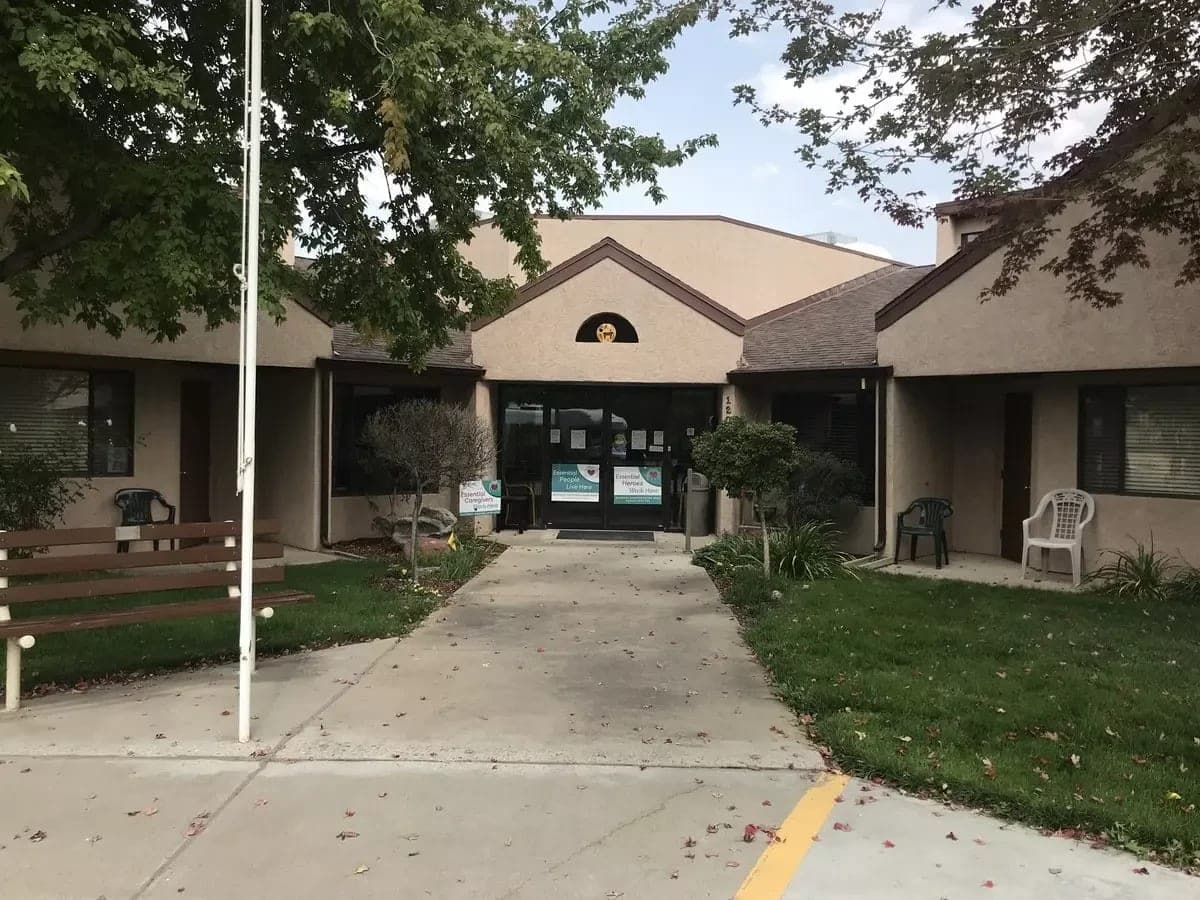
Madison House Assisted Living is a warm, home-like residence in Cortez, Colorado, in the Four Corners region. If you'd like to see it for yourself, we'd be glad to show you around — schedule a tour and we'll answer every question you have.
Frequently asked questions
- What's the difference between assisted living and independent living?
- Independent living is for older adults who need little to no help — it's about community and convenience. Assisted living adds daily personal care: help with bathing, dressing, medication, and meals for people who can no longer manage every part of the day safely on their own.
- How do I know when it's time for assisted living?
- Common signs include falls or near-falls at home, missed or doubled medications, weight loss or skipped meals, growing isolation, and caregiver burnout. If several of these are adding up, it's worth having a conversation before a crisis forces the decision.
- Does assisted living provide medical care?
- Assisted living provides personal care and medication management, not the round-the-clock clinical care of a nursing home. In Colorado, medications are given by QMAP-certified staff. If someone needs ongoing medical treatment, skilled nursing may be the better fit.
- Can a couple move into assisted living together?
- Often yes — many communities can accommodate couples, even when each spouse needs a different level of care. It's one of the first things to ask about, since room types and arrangements vary from one community to the next.